
Why Headaches Can Flare After Long Physical Activity

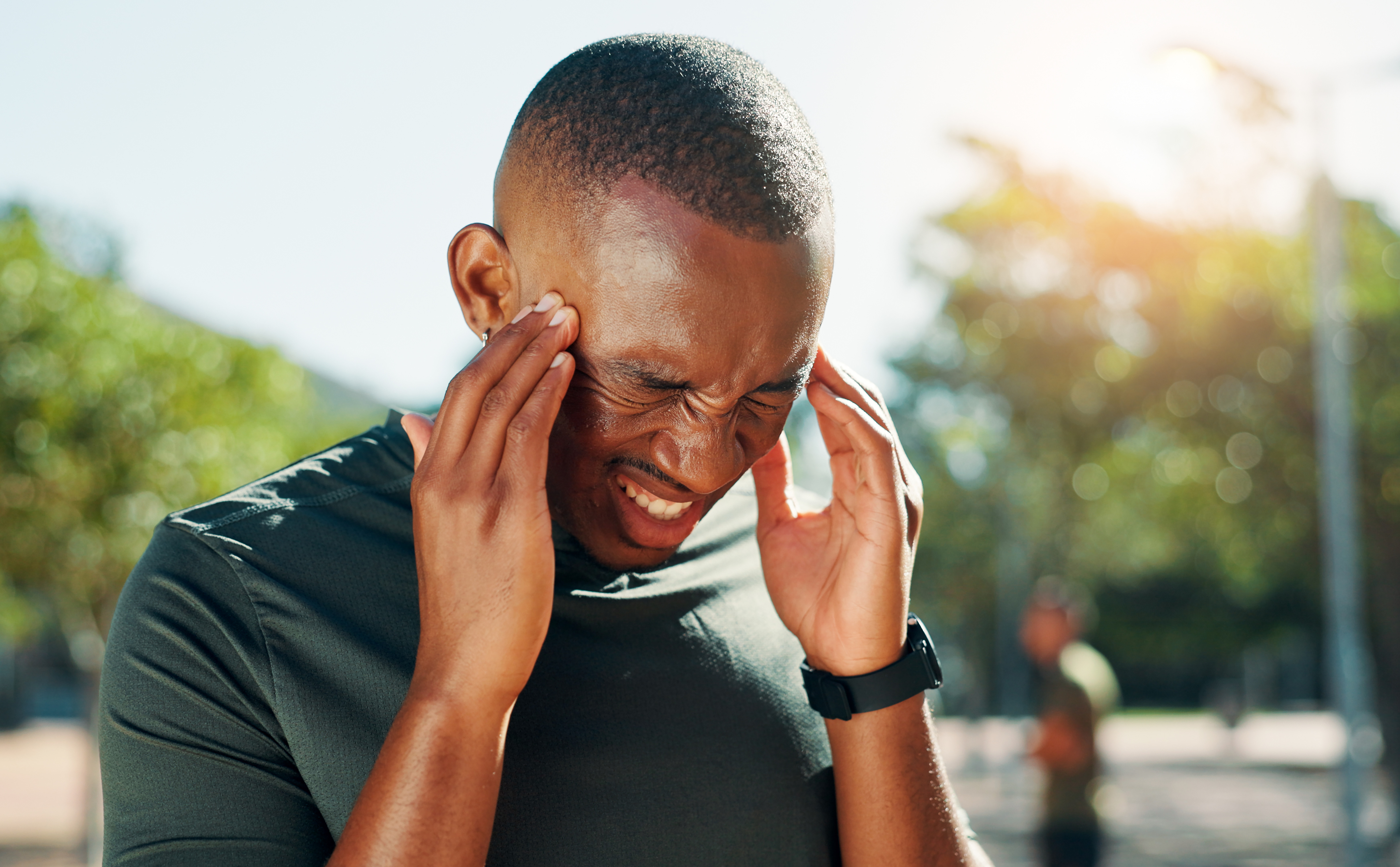
You finish a long hike, a hard gym session, or a day of yard work and feel great. Then, an hour later, your head starts to throb. If this has happened to you, you're far from alone. It's confusing, and a little scary, when something healthy leaves you in pain.
The good news is that there are clear reasons this happens. Let's walk through them in plain terms.
Your Blood Vessels Get Busy During Exercise
When you move hard for a long time, your body pulls more blood toward your muscles, heart, and brain. Your blood vessels widen to make room, and your blood pressure rises. Some experts believe that extra pressure inside the skull is what sets off a pounding headache after a workout.
Doctors call this an exercise headache. It often feels like a throbbing ache on both sides of the head, and it can show up during activity or soon after. Most of the time, these headaches fade on their own, usually somewhere between five minutes and two days.
Heat, Altitude, and Dry Days Make It Worse
Your surroundings matter more than you might think. Working out in hot weather or at high altitude can raise the odds of an exercise headache, especially if you already have a history of migraines in your family.
Then there's the everyday stuff that sneaks up on you.
Not drinking enough water before or during activity
Skipping meals, which drops your blood sugar
Sleeping poorly the night before
Holding your breath or clenching your jaw while you lift or push
Tight neck and shoulder muscles from posture or strain
Any one of these can be enough to tip a sensitive system over the edge. Together, they make a headache almost likely.
When Your Brain Is Already a Little Sensitive
Here's something many people never hear. Sometimes the workout isn't the real problem. It's just the last straw.
If your brain is already working hard to keep up with balance, eye movement, heart rate, or recovery from an old head injury, long activity can push it past its limit. That's when a headache flares up. It's your brain's way of saying it ran out of fuel.
This is common in people who deal with migraines and chronic headaches. It also shows up in people recovering from a concussion or brain injury, even when the injury happened months or years ago. Activities that once felt easy suddenly bring on pain, dizziness, or foggy thinking.
Your Body's Automatic Controls May Be Off
Your body handles a lot without asking you. It speeds up your heart, steadies your blood pressure, and keeps blood flowing to your head when you stand, climb, or run. When those automatic controls don't work smoothly, exercise can cause blood flow changes that lead to headaches, lightheadedness, a racing heart, or extreme tiredness afterward.
This pattern is often linked to dysautonomia. If a long workout leaves you wiped out and aching in the head, it may be worth looking at how well these systems are really working. Careful autonomic testing can show what's happening behind the scenes.
The Inner Ear and Eyes Play a Part Too
Long activity asks your balance system and your eyes to work together nonstop. If either one is slightly off, your brain has to work overtime to make up for it. Over time that extra effort can show up as head pressure, nausea, or a headache that builds as the day goes on.
People with vestibular disorders often describe exactly this. They feel fine at the start, then pay for it later.
What You Can Try Right Away
A few small changes can help many people feel better.
Warm up slowly before you push hard
Drink water before, during, and after you move
Eat something balanced a couple of hours before a long session
Take it easy on very hot days or at high altitude
Breathe steadily instead of holding your breath
Cool down and stretch your neck and shoulders afterward
If a headache hits, rest in a cool, quiet spot and sip water. Give your body time to settle.
When a Headache Is Not Something to Wait Out
Please take this part seriously. A headache that comes on suddenly and feels like the worst of your life needs emergency care right away. The same goes for a headache with vomiting, a stiff neck, vision changes, confusion, weakness, trouble speaking, or fainting. A first-time headache after exertion should also be checked, since doctors want to rule out other causes before calling it a simple exercise headache.
Headaches that keep coming back, last longer than a couple of days, or get worse over time also deserve a closer look.
You Don't Have to Just Live With It
Many people stop exercising because they're afraid of the pain that follows. That's a hard way to live, and it often isn't necessary. At Plasticity Brain Centers, our team looks at how your brain, balance system, eyes, and body controls are working together, because the cause of a headache is often hiding in how those pieces talk to each other. This is the heart of functional neurology, and it gives us a clear picture of where your brain needs support so you can get back to moving without worry.
If post-activity headaches keep getting in your way, we'd love to talk. You can book a consultation and tell us what you've been feeling. Your brain can adapt and heal, and the first step is simply understanding what it's trying to tell you.