
Primitive Reflexes Explained: Importance and Integration Strategies for Kids

Updated: Mar 10
For many children, challenges with focus, balance, coordination, and emotional regulation are more than just developmental hurdles—they can signal retained primitive reflexes. Addressing these reflexes isn’t about correcting a flaw; it’s about helping the nervous system function optimally, unlocking potential in both physical and cognitive development.
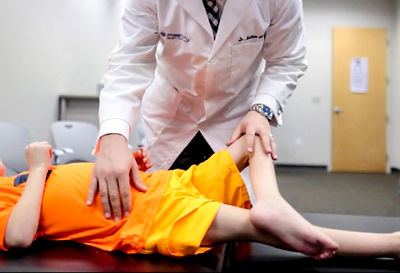
Primitive reflex integration is a pathway to smoother movement, better learning readiness, and emotional stability. Children who struggle with retained reflexes often experience subtle—but significant—barriers in their everyday life, from handwriting frustrations to difficulty processing instructions in school. Understanding strategies that support integration can make a lasting impact.
Recognizing the Impact on Daily Life
Retained reflexes often manifest in ways that affect learning, coordination, and emotional responses. Children may appear clumsy, struggle with fine motor skills like holding a pencil, or have trouble with bilateral coordination—using both sides of the body together efficiently. These physical patterns can cascade into academic and social challenges.
Cognitive and emotional effects are equally important. Children with unintegrated reflexes may struggle with sustained attention, emotional regulation, or impulse control. They might feel frustrated more easily or have difficulty following multi-step directions. Addressing reflex integration is not only a physical intervention but a developmental support system for confidence, focus, and self-regulation.
Effective Strategies to Support Reflex Integration
Supporting reflex integration is a process that blends targeted movement, play, and consistent practice. Activities that mimic natural developmental patterns can gently encourage the nervous system to adopt more mature motor strategies. These activities often include rolling, crawling, balance exercises, and coordinated eye-hand tasks.
At Plasticity Brain Centers, our approach personalizes these strategies to each child’s unique profile. Our programs combine hands-on guidance, neurological expertise, and progressive exercises designed to promote integration efficiently and safely. By focusing on specific reflex patterns, we help children gradually gain control over their movement, coordination, and focus. Learn more about our primitive reflex integration approach here.
Consistency is essential. Daily practice, even in short bursts, strengthens neural pathways and encourages lasting improvements. Parents and caregivers can reinforce progress through playful activities at home, while professionals provide structured exercises to target the most persistent reflexes. Over time, children often exhibit smoother motor patterns, improved balance, and more effective cognitive and emotional processing.
Supporting Learning and Emotional Development
Primitive reflex integration is tightly linked to cognitive growth. As reflexes integrate, children often experience clearer focus, better memory retention, and improved reading and writing skills. Motor improvements can also make learning physically easier, from holding a pencil comfortably to navigating playground equipment safely.
Emotional regulation is another key area. Retained reflexes can contribute to heightened stress responses, impulsivity, or difficulty managing frustration. By supporting integration, children gain better control over their reactions, helping them navigate social situations, classroom challenges, and daily routines with more confidence.
Long-Term Benefits and Developmental Advantages
The benefits of reflex integration extend beyond childhood. When children develop smooth motor patterns, strong attention skills, and emotional regulation early on, they set a foundation for lifelong learning and physical wellness. Improved coordination can boost participation in sports and physical activities, while enhanced focus and emotional resilience support academic success and social confidence.
Investing in primitive reflex integration is an investment in a child’s long-term potential. Children who receive structured support often display noticeable improvements in confidence, independence, and overall neurological function, creating a ripple effect across multiple aspects of life.